Bone Graft Recovery for Beautiful Dental Implants
May 19, 2026
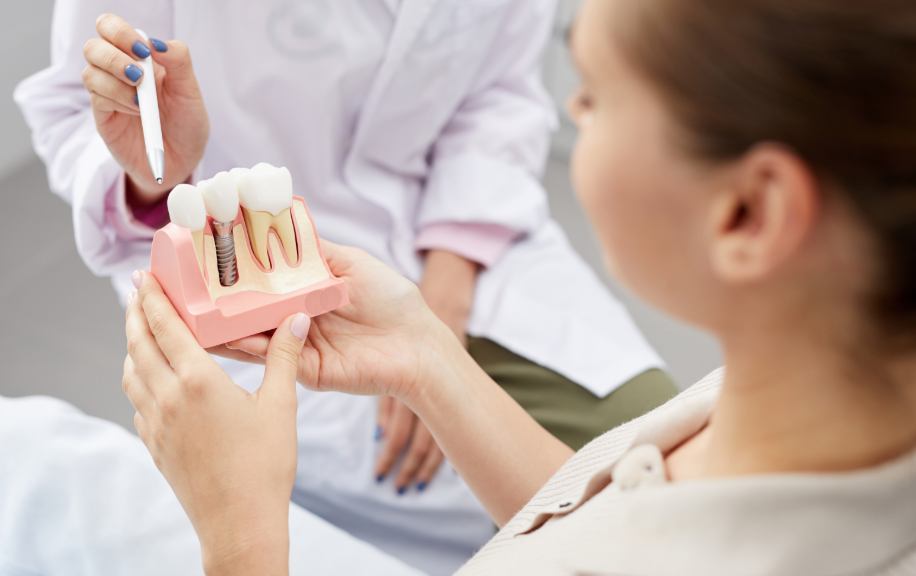
Dental implants need a strong and healthy jawbone to remain stable long-term. However, some patients lose bone density after missing teeth, gum disease, or dental trauma. When the jawbone is not strong enough to support an implant, a dentist or periodontist may recommend a bone grafting procedure first.
During a bone graft, bone material is placed in areas where the jaw needs additional support. Over time, the graft helps encourage new bone growth and strengthens the area so it can better support future dental implants.
Although the procedure is common and highly successful, healing after a bone graft takes patience. Understanding what to expect can help you feel more comfortable during recovery.
Expect Mild Swelling and Discomfort
It’s normal to experience some swelling, tenderness, or minor bleeding after a bone graft procedure. Most patients notice the most swelling within the first couple of days before it gradually improves.
Your dentist may recommend over-the-counter or prescription pain medication to help manage discomfort. Applying a cold compress to the outside of your face during the first 24 to 48 hours can also help reduce swelling.
While mild soreness is expected, severe pain, excessive bleeding, or worsening swelling should always be reported to your dental office right away.
Stick to Soft Foods During Healing
Your mouth needs time to heal after surgery, so choosing softer foods is important during recovery. Hard, crunchy, spicy, or chewy foods may irritate the surgical site and interfere with healing.
Good options often include:
- Yogurt
- Mashed potatoes
- Soup
- Scrambled eggs
- Oatmeal
- Smoothies
- Applesauce
It’s also best to avoid chewing directly on the treated area whenever possible. Drinking plenty of water and maintaining proper nutrition can support your body’s healing process.
Be Gentle with Oral Hygiene
Keeping your mouth clean is still very important after a bone graft, but you’ll need to be extra careful around the surgical area. Your dentist may recommend avoiding brushing directly over the graft site for the first few days.
Warm saltwater rinses are often encouraged to help keep the area clean and reduce bacteria. However, vigorous rinsing, spitting, or using a straw too soon after surgery can disrupt healing and should typically be avoided.
Following your aftercare instructions closely can help lower the risk of complications and support a smoother recovery.
Avoid Smoking and Strenuous Activity
Smoking is one of the biggest risk factors for delayed healing and bone graft failure. Tobacco products reduce blood flow and interfere with the body’s ability to heal properly. Patients are generally encouraged to avoid smoking entirely during recovery.
Strenuous exercise and heavy lifting may also increase bleeding or swelling shortly after surgery. Taking it easy for the first few days gives your body the opportunity to focus on healing.
Getting enough rest is one of the simplest but most important ways to support recovery.
Healing Takes Time
Bone graft recovery is not always immediate. While the initial soreness may improve within a week or two, the graft itself often takes several months to fully integrate with the jawbone before dental implants can be placed.
Your dentist will monitor your healing progress through follow-up appointments and imaging to ensure the area is developing properly.
Although the process requires patience, a successful bone graft creates the strong foundation needed for long-lasting dental implants and a healthier smile overall.
About the Practice
Bone grafting may sound intimidating, but we take the anxiety out of the procedure at Huntington Beach Periodontics & Dental Implants. Dr. Justin Braga specializes in advanced periodontal and dental implant care in a comfortable, patient-focused setting. Our experienced team offers specialized treatments including bone grafting, gum disease therapy, and dental implant placement to help patients restore healthy, functional smiles. We are dedicated to personalized treatment and long-term oral health solutions that are both effective and comfortable for every patient.
Call us at (714) 587-9094 or schedule your appointment online.
No Comments
No comments yet.
RSS feed for comments on this post.
Sorry, the comment form is closed at this time.