Bone Grafting – Huntington Beach, CA
Building a Strong Foundation for Replacement Teeth
Your natural teeth need a healthy jawbone to hold them in place, and prosthetic teeth are no different. Without a sufficient amount of bone density, your jaw won’t be able to support partial or full dentures, and dental implants won’t be able to join with the surrounding tissues. Unfortunately, bone loss is a common consequence of losing a tooth to decay, gum disease, injury, or extraction. Thus, if you’re looking to replace the missing teeth, you may need to talk to Dr. Braga about bone grafting in Huntington Beach. Call us today to learn more about the process of filling in that gap in your smile.
Why Choose Huntington Beach Periodontics for Bone Grafting?
- Treatments Dictated by Evidence-Based Research
- Highly Accurate and Fully Detailed Diagnostics
- Periodontist with Over 15 Years of Experience
What is a Bone Graft?
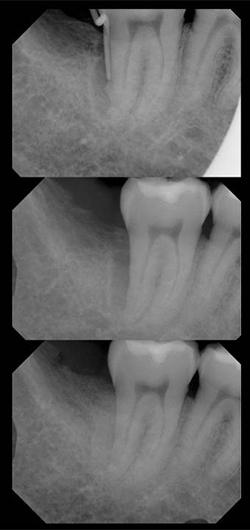
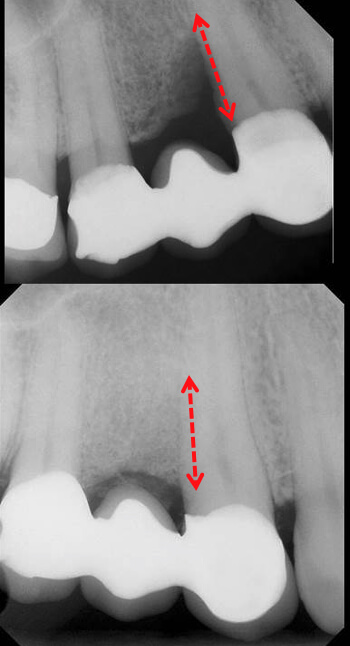
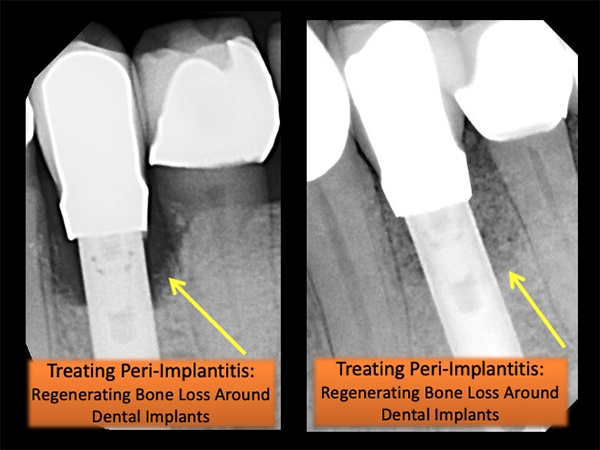
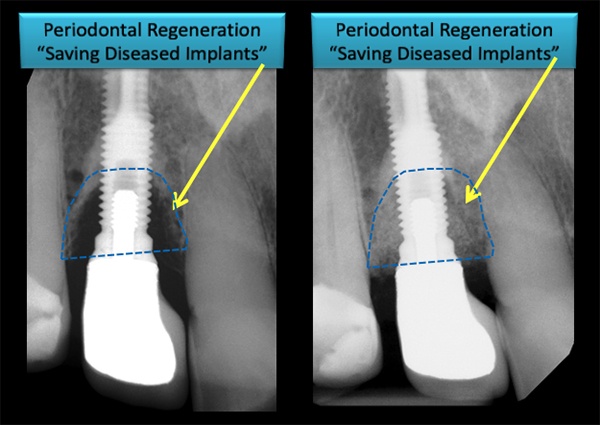
A bone graft is a type of surgery that is used to repair bones and joints all throughout the body. Simply put, bone tissue is transplanted to a damaged area in order to repair injuries or to otherwise encourage the growth of new bone. When used in a periodontal context, the goal is generally to rebuild jawbone tissue that has degenerated for whatever reason. The tissue used in the graft is generally taken from elsewhere in your jaw, but it might also be taken from your hip. Sometimes you might even receive a graft using tissue taken from an animal or another person. There are also grafts that make use of synthetic grafting material.
Bone Graft After Tooth Loss
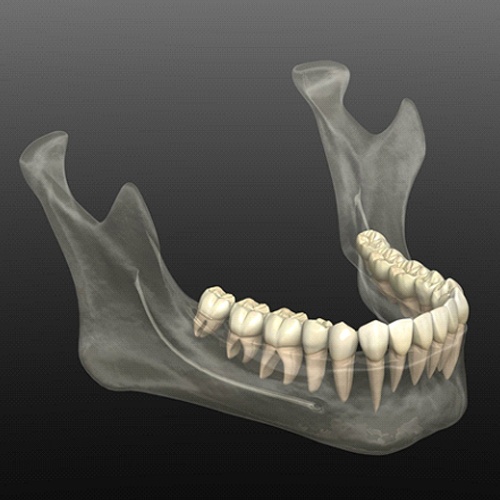
You’re already well aware of the important role your teeth play for speaking and eating, but you may not have realized that they also keep your jawbone healthy. The actions of biting and chewing stimulate the bone, helping it maintain itself. When the stimulation is lost, the bone will start to resorb, which basically means it melts away. This type of bone loss is more likely to occur the longer you wait to have your teeth replaced with a dental implant. However, the resorption can be reversed with a bone grafting procedure.
Bone Graft After Tooth Extraction
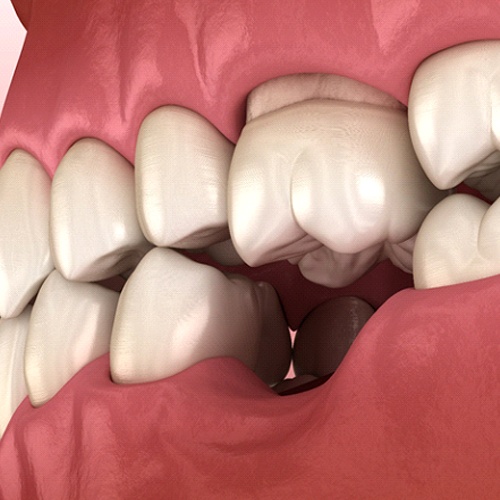
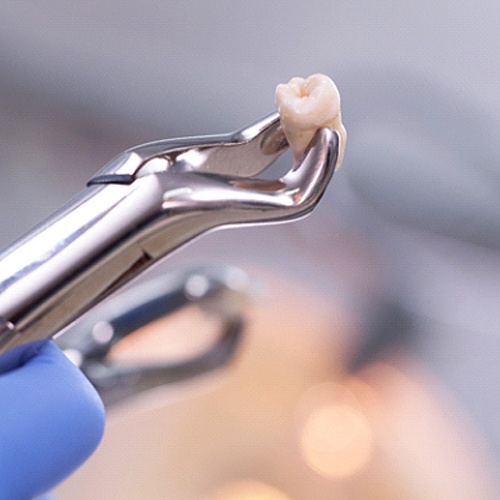
While it’s sometimes possible to place a dental implant on the same day as a tooth extraction, in other circumstances we might need to perform a bone graft first to ensure that the tooth replacement process goes as planned. After the grafting material has been placed and the site has been closed, healing typically takes about four to six weeks. You can normally receive a full or partial denture once your mouth has fully recovered, but for implants it will take about four to six months for enough new bone tissue to form in order to hold and support the posts.
Benefits of Bone Grafting
There are several benefits to restoring bone volume and density in your jaw with bone grafting:
- It improves your appearance by ensuring that your jaw continues to support the structure of your face.
- It enhances oral health by preventing the weakening of your bite.
- It expands your options for tooth replacement, allowing you to enjoy the strength and stability of implants.
Bone Grafting FAQs
How Will I Know If I Need a Dental Bone Graft?
The most reliable way to determine whether you need a dental bone graft is through an evaluation with Dr. Braga. That said, there are some common situations where bone grafting is typically recommended. If you have experienced significant tooth loss, you may have already lost supporting bone in that area. Patients with advanced periodontal disease often develop bone loss around their natural teeth as well. If you are planning to receive dental implants, Dr. Braga will assess whether sufficient bone volume exists to support them. Signs such as a sunken facial appearance, loose teeth, or shifting teeth can also indicate underlying bone loss worth evaluating.
Does Bone Grafting Hurt?
Bone grafting in Corpus Christi is performed under local anesthesia, so you should feel little to no discomfort during the procedure itself. Plus, at our Huntington Beach office, sedation options are also available for patients who experience dental anxiety. After the anesthesia wears off, some soreness, swelling, and mild discomfort around the treatment site are normal for the first few days. Most patients find that over-the-counter pain relievers manage this effectively, though Dr. Braga may prescribe medication depending on the complexity of your procedure. Discomfort typically peaks within the first 48 to 72 hours and then gradually improves. All of that said, following your post-operative care instructions closely will help keep you as comfortable as possible during early recovery!
Can I Eat After Getting a Dental Bone Graft?
Yes, you’ll be able to eat following a dental bone graft; however, it is important to remember that what you eat matters significantly during the healing period. For the first few days, stick to soft foods that require minimal chewing, such as yogurt, mashed potatoes, scrambled eggs, smoothies, and lukewarm soup. Avoid anything hard, crunchy, sticky, or chewy that could disturb the graft site or dislodge the protective blood clot. Hot foods and beverages should also be avoided initially, as heat can increase swelling and bleeding. As healing progresses over the following weeks, you’ll be able to begin reintroducing your normal diet.
How Long Does a Dental Bone Graft Take to Heal?
Healing from a dental bone graft is a gradual process that occurs in stages. The soft tissue around the graft site typically heals within two to four weeks, and most patients return to normal daily activities within a week or so. However, the more critical phase, where the grafted material integrates with your existing bone, takes considerably longer, generally three to six months, and in some cases up to a year, depending on the size of the graft and your individual healing response. Dr. Braga will closely monitor your progress to confirm the graft is integrating properly before moving forward with any subsequent treatment, such as dental implant placement. If you do run into any complications while healing, don’t hesitate to let our team know!