
Sinus Augmentation Huntington Beach
Prepare Your Upper Jaw for Dental Implants
Before you get dental implants, Dr. Braga and our Huntington Beach team will need to verify that your mouth is a good environment for your new teeth. If we discover that the back portion of your upper jawbone is not thick enough to accommodate the implant posts, we might recommend that you undergo a special preparatory procedure known as sinus augmentation. What exactly is this regenerative procedure, and what role might it play in your dental implant journey? Continue reading below to find out.
What Is Sinus Augmentation?
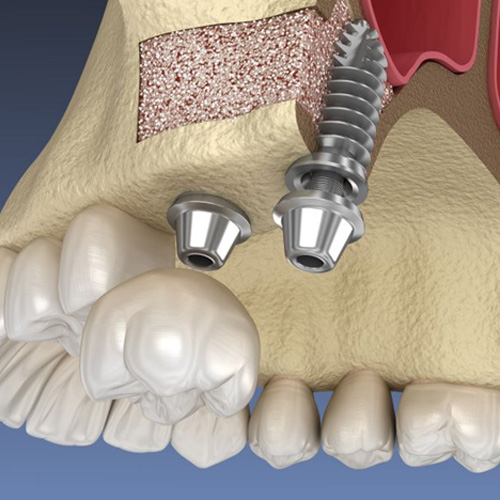
Sinus augmentation is a special type of bone graft that is often referred to as a sinus lift. During this procedure, we lift the sinus membrane and place a bone graft beneath it. This thickens the upper jaw, which means that when dental implants are placed, they should not penetrate the sinus membrane. This procedure can prevent painful complications and open the way for you to have a successful tooth replacement journey.
The material that we use for the graft may be natural bone or synthetic. Regardless of its source, we will make sure it is of high quality so your procedure has the best possible chance of success.
Indications for Sinus Augmentation

Not everyone requires sinus augmentation before getting dental implants in the upper back portion of the jaw. The only way to know for sure if you need this procedure is to attend a consultation with us. We will use advanced imaging equipment, such as our CBCT machine, to capture highly detailed scans of your oral structures. Then, Dr. Braga can start to plan the specifics of your dental implant journey.
You may need sinus augmentation if your upper jaw is not thick enough to support dental implants. This could be the case if:
- You lost your natural teeth some time ago, and your jawbone has weakened due to a lack of stimulation from your tooth roots.
- Your jawbone is naturally thin or weak.
- Your upper jaw has defects due to a past injury or other factors.
The Sinus Augmentation Process
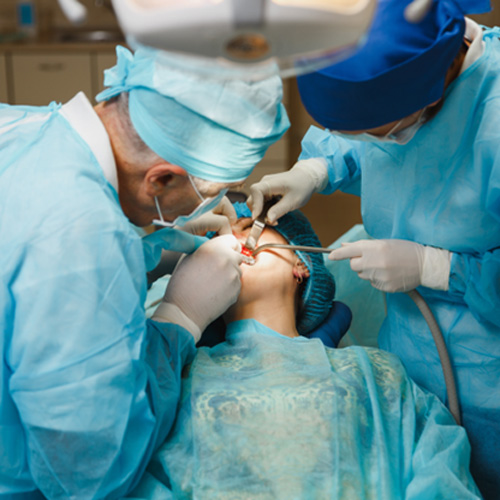
Many patients are surprised by how easy the sinus augmentation process is! We start out by making you comfortable. We will administer local anesthesia and, if necessary, we can also provide sedation to help you stay relaxed.
Once you are settled in, we will carefully access your sinus membrane through your upper jaw and move it into its new position. Once the bone graft is in place, we will close up your gum tissue with sutures. The procedure may take anywhere from 45 minutes to a few hours.
The soft tissues at the surgical site should heal fairly quickly, but it will take a few months for the grafted material to form a strong bond with your jawbone. Once that has occurred, you may be eligible to receive dental implants.
Do you believe you need sinus augmentation, or would you like to learn more about the dental implant process? Contact our office today to ask questions or request a consultation with our team.
Sinus Augmentation FAQs
What is a sinus augmentation?
Unfortunately, when you lose permanent teeth, the jawbone will eventually begin to deteriorate due to lack of stimulation. This can cause further tooth loss, and even the collapse of the facial structure. If you’re missing teeth on the upper jaw, this can make replacing them with dental implants very difficult.
A sinus augmentation in Huntington Beach is a procedure designed to rebuild the sinus cavity, so it is strong enough to support dental implants. It works by adding bone between the maxillary sinus and the premolar area of the jaw. There are two different types of sinus augmentations, either a lateral window or a crestal (osteotome).
Are sinus augmentations painful?
Your sinus lift procedure will be done under local anesthesia, IV sedation, or oral conscious sedation, depending on your preference and the condition of your overall health.
Because you will be numb, you shouldn’t feel anything during the procedure itself; however, some swelling and soreness is normal following treatment but should clear up within a few days.
Dr. Braga will provide you with a complete set of detailed aftercare instructions prior to your sinus augmentation in Huntington Beach so you can prepare in advance for the recovery process. If you have any questions or concerns following your procedure, or if your symptoms seem to be worsening instead of improving, contact us right away.
How will Dr. Braga add bone during my sinus augmentation?
The sinus augmentation procedure is fairly straightforward. First, Dr. Braga will numb the treatment area to ensure that you are completely comfortable. Then, once you’re ready, he will create a small opening in the bone above your upper jaw. Next, he’ll carefully lift your sinus membrane up, and place grafting material made from either your own bone, donor bone, or synthetic bone granules in the opening. Finally, he will close the incision with dissolving sutures which will disappear within about a week. With time, the added bone materials should integrate with your existing sinus bone structure, reinforcing the sinus cavity so it can eventually support dental implants.
Where does the bone graft material come from?
There are several sources that can be used in bone grafting procedures such as a sinus augmentation in Huntington Beach. These include:
- Autograft: this comes from your own bones in other areas of your body but is not typically used anymore.
- Allograft: This is the most common method used today due to its safety and effectiveness.
- Xenograft / Synthetic Material: This method uses either animal tissue or lab created materials that encourage natural bone growth in humans.
The type of bone material recommended for use in your sinus augmentation in Huntington Beach will be discussed in detail during your consultation with Dr. Braga and may vary from patient to patient.
How long does it take to recover from a sinus augmentation?
The good news is that recovery from a sinus augmentation in Huntington Beach is fairly easy. The hardest part is being patient while waiting for the results to take effect, which can take between four and nine months before your jaw is ready to support dental implants. This will of course vary depending on the individual healing of the patient, the severity of the deterioration being repaired, and how well you adhere to your aftercare instructions.